

AI-reference track leaks are reshaping how fans catch a hit before its release date. A snippet drops online. The vocals sound familiar. Nobody can confirm if a ghostwriter cut the demo or if an AI model built it from nothing.
This panic hit fever pitch when Doja Cat publicly denied a dozen “leaked” songs flooding X in a single day. The tracks sounded like her. They weren’t.
Doja Cat Slams Alleged Song Leaks, Is ‘Disappointed’ in Fans for Thinking They’re Legit: ‘F–k AI’ https://t.co/dTDW7KOgK2
— billboard hip-hop/r&b (@billboardhiphop) June 24, 2026
The High Crowd decodes how these deepfakes blur the line between the studio booth and the algorithm. Could your favourite artist be the next one to call “cap” on a chart-topping track that isn’t even theirs?
Read on and elevate your perspective on the AI-reference track leak lunacy. Follow us on X for more unfiltered entertainment insights.
Why AI-Reference Track Leaks Are Sparking Panic Across the Industry
An AI-reference track leak happens when unreleased-sounding music surfaces online, and no one can confirm its source. It might be a ghostwriter’s demo, recorded for an artist to re-sing later. It might be a fully AI-generated fake, built to mimic that artist’s voice and style.
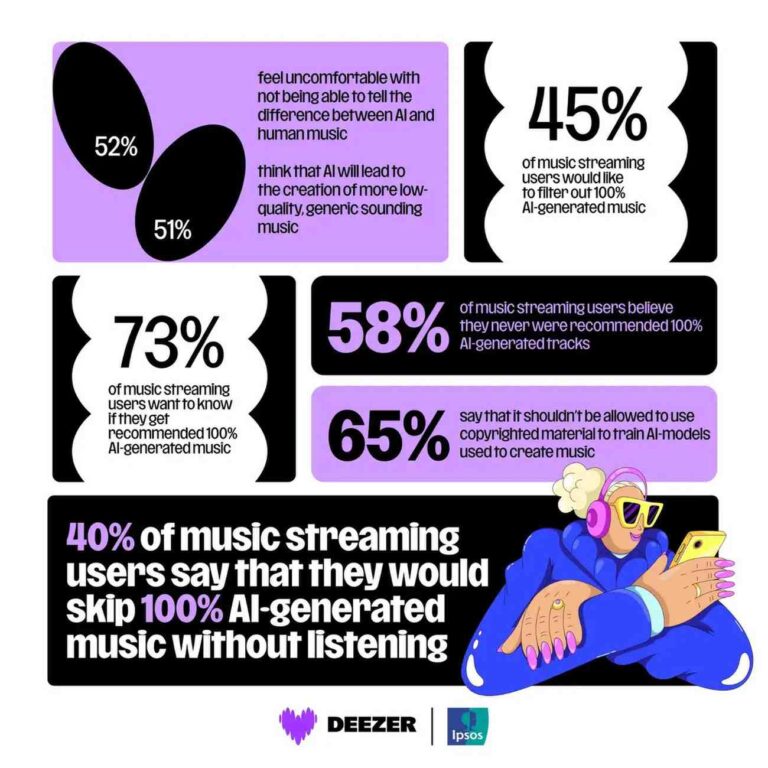
Fans, blogs and even labels are increasingly guessing wrong. In fact, a 2025 study by Deezer and Ipsos found that 97% of listeners can’t tell AI music from human music.
Reference tracks aren’t new. Songwriters have quietly built hits for superstars for decades, and leaks of those demos have sparked ghostwriting debates before; what’s changed is the tooling.
Testing unreleased material live used to be the real check, the same instinct that built Magic City’s reputation as a hip-hop hitmaker. Today’s digital era has ushered in a soundwave of AI voice generators like Suno, which let anyone convincingly recreate an artist’s tone and pass it off as the real thing.
Here’s what to expect from the two forces colliding to create this leak panic: ghostwriting’s long, quiet history and AI’s new ability to fake it convincingly.
Ghostwriter Leak vs. AI Fake: How to Spot the Difference
A few distinct red flags separate a genuine ghostwriter leak from an AI fabrication:
<view in horizontal mode on mobile>
Feature
Genuine Ghostwriter Leak
AI-Generated Fake
Vocal texture
- Human imperfections
- Audible breath sounds
- Fluffed lines and raw studio chatter
Flawless and mechanical: The track is too clean with zero natural breathing patterns.
Lyric depth
- Slang
- Personal nuances
- Specific cultural references
Generic and broad: Defaults to universal lines, mimicking style without substance.
Industry footprint
Backed by a paper trail of:
- Studio credits
- Producer tags
- Publishing registration
Zero paper trail: No official credits, registrations or industry ties exist.
Release pattern
Emerges through:
- Verified industry leaks
- Trusted insider channels
Suspicious timing: Drops from anonymous accounts right before an album cycle, built solely to go viral.
Producers like Andre “Dre” Harris build entire careers on that exact paper trail, the credits AI fakes can never fabricate.
How Do AI-Reference Track Leaks Impact the Music Industry?
AI-reference track leaks hijack the culture by blurring the line between authentic human artistry and algorithmic replication, diluting artist branding and compromising creative ownership. This shift allows anonymous creators to instantly impersonate established artists, forcing record labels and streaming platforms to overhaul their verification and security protocols.
A recent high-profile social media breach best highlights the immediate operational impact of these fakes.
The Doja Cat Scare That Set the Tone for 2026
In 2026, a dozen songs hit X within 24 hours, with accounts claiming they were cut from Doja Cat’s albums Vie and Scarlet. The leaked tracks featured highly convincing titles, including:
- “Loon1e”
- “Dead Inside”
- “Ball & Chain”
Doja Cat shut that down, and fast:

The vocal tone, the ad-libs and even the mixing style were close enough that fans didn’t hesitate to share them as real. That’s the state of unease driving this whole conversation.

She’s also quick to call out other artists turning to AI on their tracks.
Doja Cat comments on the recent controversy of Tyga using AI for his new album:
— Doja HQ (@DojaHQs) August 13, 2026
“Tyga is a p*nis for making an AI album.” pic.twitter.com/vWdgPMYyPJ
If fans can’t spot a fake leak, labels and platforms are left playing catch-up long after the track reaches peak virality. This precise structural vulnerability explains why the industry must look back to understand how tech took over the track.
Drake, “Mob Ties” & Suno: How Ghostwriting Met AI
Ghostwriting built the blueprint that AI leaks now exploit. When Vory’s reference track for Drake’s “Mob Ties” leaked, listeners realised the structure and lyrics were nearly identical to Drake’s final cut.
That’s the traditional version of this story:
- A real writer
- A real demo
- A real leak
AI has since added a second, messier layer. British duo HAVEN. faced backlash after their viral hit “I Run” was pulled from Spotify when listeners suspected the vocals were AI-cloned from singer Jorja Smith. The producers eventually confirmed they’d used AI tools to reshape a male vocal into a female tone; no clearance, no credit.
Globally, we are seeing defensive shifts on multiple fronts:
- Platform bans: Bandcamp prohibited AI-generated uploads and catalogue scraping.
- “Guaranteed Human” branding: iHeartRadio now pledges its programming won’t feature AI vocalists pretending to be human.
- Legal pushback: UMG has lobbied for a federal right of publicity to stop unauthorised AI voice cloning at the source.
However, these international safety nets don’t protect everyone. Local legal gaps leave South African artists incredibly vulnerable. Local lawyer Itai Hakim warns that the country’s Copyright Act of 1978 protects physical recordings, not voices, leaving local artists exposed to AI exploitation.
Follow our Instagram and Facebook pages to stay tapped in to real stories, no filters and zero algorithms. We don’t sanitise the culture; we celebrate it.
AI-Reference Track FAQs
Find quick answers to the questions South African fans are asking about the leak panic.
What exactly is a reference track?
A reference track is a demo a songwriter records first, laying down the melody and structure for an artist to re-record in their own voice. It’s a long-standing industry practice, not a new AI phenomenon.
Is that leaked song AI or a real ghostwriter demo?
There’s no single tell, but check for breath sounds, studio chatter, and specific lyrical references to the artist’s real life. AI fakes tend to sound flawless and generic, while genuine reference tracks usually carry small human imperfections and detail.
Which South African artists have dealt with AI-reference track leaks?
While global AI tracks dominate the algorithms, local waves are shifting. Broadcaster William Lehong launched an entire AI persona called Olga for his comeback, while viral AI remixes of international acts keep crashing into local streaming spaces.
Is AI voice cloning legal in South Africa?
It sits in a grey area. The Copyright Act of 1978 protects a recorded song but doesn’t explicitly protect an artist’s voice or vocal style. Without new legislation, like the recently withdrawn 2026 AI Policy draft, affected artists have limited legal recourse.
Are streaming platforms removing AI-generated leaks?
Yes, but the strategy is changing. Platforms pull tracks under impersonation policies, while labels now sue for the viral royalties these fakes accumulate before getting caught. This turns leaks into massive financial battlegrounds.
Have more questions? Get in touch for high-grade human interactions.
The High Crowd: Culture Without Borders
The High Crowd sits at the intersection of 420 culture, music, fashion and entertainment — where these stories thrive. An AI-reference track leak isn’t just a music industry footnote. It’s a live look at how technology is reshaping:
- Who gets credit
- Who gets paid
- Who defines what’s real in the culture
The High Crowd targets a premium lifestyle enthusiast at the crossroads of cannabis normalisation and cultural influence. Beyond the content you consume, we build a crowd you belong to, driving the conversations that matter.
While AI-reference track leaks hijack music headlines, they are just part of the story. Explore our Lifestyle Hub for the trendsetters, creatives and connoisseurs shaping the culture right now.